

Fusible Interlining Selection for Garment Manufacturing
Mastering the Bond: A Technical UK Guide to Fusible Interlining Selection in Garment Manufacturing
In the UK fashion and apparel manufacturing sector, structural integrity is the quiet engine of garment longevity. Whether crafting sharp Savile Row-inspired tailoring, unstructured blazers, or high-end casual outerwear, the choice of fusible interlining dictates how a garment drapes, recovers from movement, and withstands repeated dry cleaning or laundering.
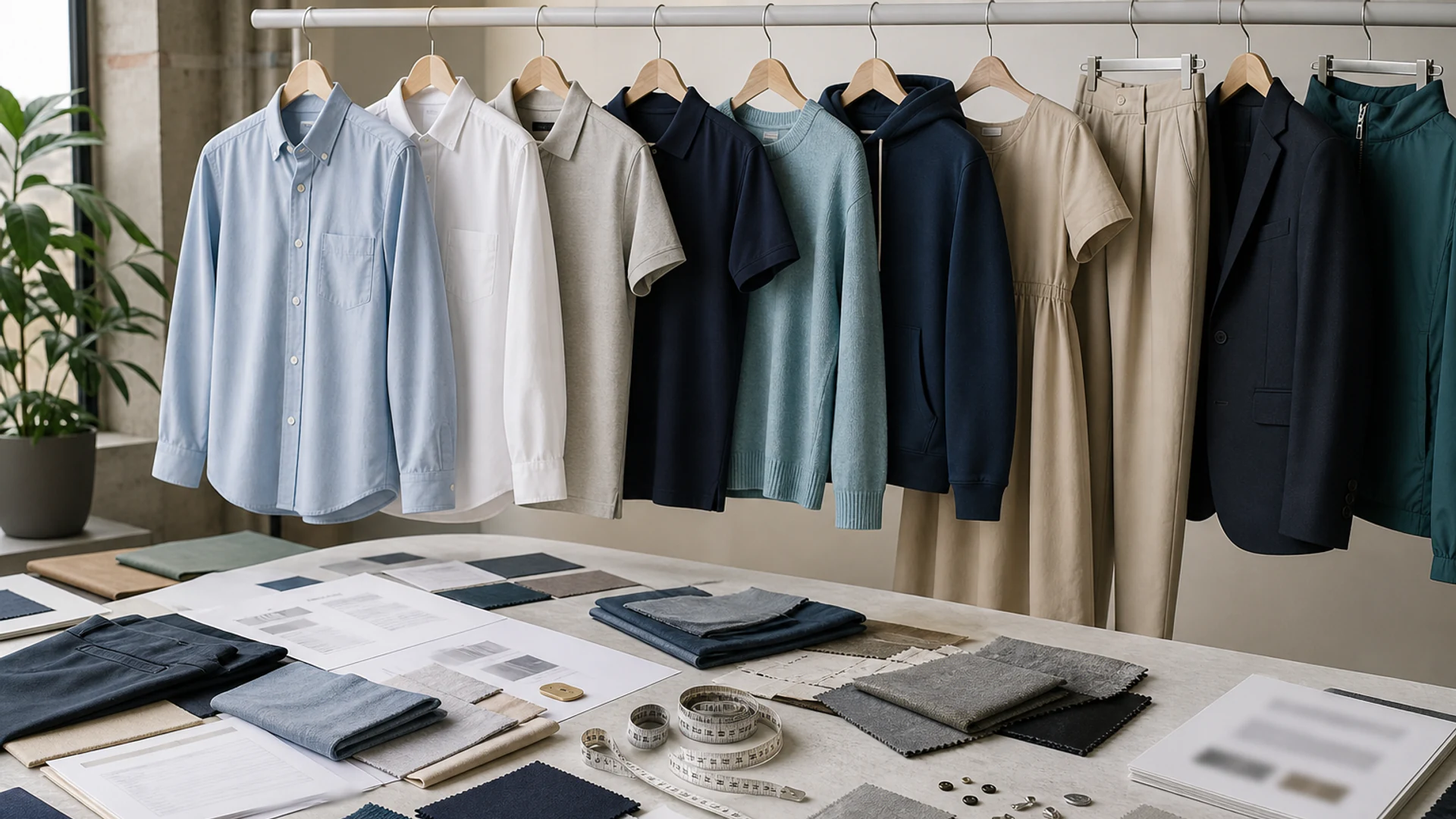
Selecting the wrong fusible interlining—or failing to calibrate fusing parameters—frequently leads to severe post-production defects such as strike-through, strike-back, bubbling, delamination, or harsh hand-feel. For UK sourcing managers, technical designers, and quality controllers, establishing a systematic interlining evaluation protocol is essential for securing margin integrity and brand reputation.
Understanding the Core Categories of Fusible Interlinings
Fusible interlining acts as a hidden foundation, providing shape retention, seam reinforcement, and crease resistance without adding unnecessary weight. Selecting the appropriate substrate depends entirely on the shell fabric's weight, elasticity, weave density, and end-use requirements.
- Woven Fusible Interlinings: Constructed from natural cotton, viscose, or synthetic yarns, woven interlinings offer superior directional stability, warp/weft tensile strength, and structural memory. They are the benchmark choice for tailored jackets, coat collars, front canvas constructions, and structured cuffs where shape retention is paramount.
- Non-Woven Fusible Interlinings: Formed by bonding short synthetic fibers (such as polyester or polyamide) chemically, thermally, or mechanically. Non-woven interlinings are lightweight, cost-effective, and non-fraying, making them ideal for delicate blouses, pocket facings, plackets, and light commercial garments.
- Knit and Warp-Knit Interlinings: Engineered with inherent elasticity, circular and warp-knit (weft-inserted) interlinings provide soft, fluid support. Warp-knit variants combine the stretch of a knitted structure with the stability of a woven inserter, making them indispensable for modern elastane-blend suitings, activewear, and delicate jersey constructions.
Adhesive Resin Systems and Coating Methods
The bond strength between the interlining and shell fabric depends heavily on the chemical formulation of the thermoplastic adhesive resin and its application method.
Different resin types serve distinct performance requirements:
- Polyamide (PA) Resins: Excellent resistance to dry cleaning solvents and high thermal stability, making PA the industry standard for tailored outerwear, wool suits, and dry-clean-only garments.
- Polyester (PES) Resins: Exceptional resistance to domestic washing and steam press conditioning. PES resins are widely specified for washable shirts, casual trousers, and rainwear.
- Polyethylene (PE) Resins: High-density resin systems used predominantly for rigid shirt collars and cuffs requiring heavy-duty industrial laundering resistance.
The coating method—whether scatter-coating, double-dot, or paste-dot—also plays a crucial role. Double-dot coating technology is highly recommended in premium UK apparel manufacturing because it places a base coat to prevent strike-through into the interlining, topped with an upper adhesive dot to bond securely with the shell fabric.

Step-by-Step Interlining Selection and Fusing Calibration Protocol
To ensure seamless integration during bulk cut-and-sew operations, UK quality assurance teams follow a four-stage testing sequence before approving interlinings for mass production:
1. Shell Fabric Compatibility and Hand-Feel Evaluation Preliminary fusing trials test various interlining weights and drape characteristics against the shell fabric. The goal is to achieve structural reinforcement without compromising the fabric's natural drape, hand-feel, or surface aesthetic.
2. Calibration of the Fusing Triad: Temperature, Pressure, and Time Achieving a permanent bond requires precise calibration of the three fundamental fusing variables:
- Temperature: Set strictly according to the resin’s melting point (typically between 120°C and 150°C). Excess heat degrades delicate shell fibers or scorches synthetic blends.
- Pressure: Applied via continuous rotary press rollers or flat-bed presses (measured in bar or N/cm²). Uniform pressure forces the molten resin dots into the surface structure of the shell fabric.
- Dwell Time: The duration (typically 10 to 18 seconds) the fabric spends inside the heating zone to ensure complete resin liquefaction.
3. Testing for Strike-Through and Strike-Back After initial press runs, inspect the fused panel under color-matching lamps. Strike-through occurs when molten resin bleeds through to the face of the shell fabric, creating shiny, discolored spots. Strike-back occurs when resin bleeds onto the reverse side of the interlining, contaminating press belts and rollers.
4. Peel Strength and Dimensional Stability Testing To quantify bond strength, 25 mm fused fabric strips undergo a 180-degree peel test using a digital tensile tester. Standard UK quality benchmarks require a minimum peel strength of 3.0 to 5.0 N/25mm after fusing, as well as zero delamination or shrinkage after 5 standard washing or dry-cleaning cycles.
Integrating Technical Interlining Standards into UK Supply Chains
Delivering impecably structured garments that maintain their silhouette over years of wear requires close collaboration between UK product development teams and technical manufacturing partners.
Partnering with technical garment producers like Innblac gives UK brands direct access to precision fabric testing, advanced double-dot fusing technology, and strict pre-production quality checks. Ensuring interlining substrates and resin systems are scientifically calibrated prior to bulk cutting eliminates manufacturing defects, reduces factory scrap, and safeguards long-term garment excellence in the competitive UK fashion market.
-
Posted in
Fabric & Textiles
