

World Cup Baby Clothes UK:Dress Your Little Fan
Tiny Legends: How Scaling Labels Can Capture the Lucrative British Youth Supporter Market
In the vibrant culture of British football, the passion for the game is an inheritance. As the United Kingdom prepares for the massive international tournament cycles of 2026, a specific niche in the apparel industry is seeing an unprecedented surge: high-fidelity, performance-grade infant and toddler fan-wear. For independent designers, boutique owners, and procurement managers at scaling labels, this "Mini-Me" trend represents a significant commercial frontier. However, navigating the intersection of sports licensing aesthetics, stringent safety regulations, and small-batch production requires a sophisticated approach to supply chain management.
To successfully launch a collection that allows the youngest fans to join the match-day atmosphere, brands must move beyond generic "onesies" and embrace the technical and safety standards required for the modern British market.
The UK Landscape: A Growing Appetite for "Mini-Matchday" Style
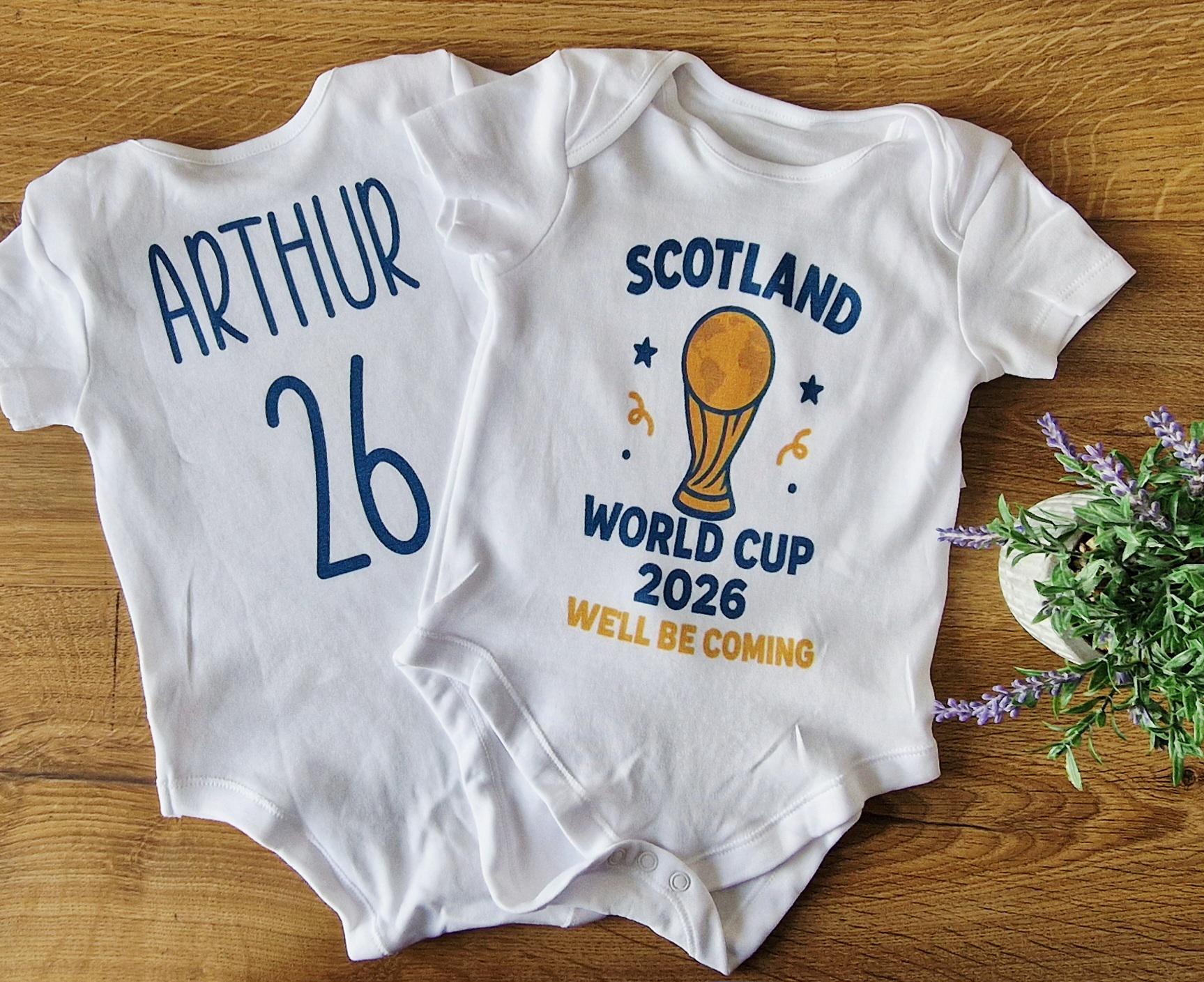
In the United Kingdom, the demand for infant-sized tournament apparel is staggering. It is no longer just about a simple logo on a shirt; parents and gift-givers are seeking "Full Kit" experiences for infants as young as three months. This demographic values the "stadium-ready" look, mirroring the adult versions in everything but scale.
Market Volume and Buying Habits
The UK market for infant sports apparel is driven by a mix of emotional gifting and family tradition. While high-street giants like Marks & Spencer or Next provide basics, and official club shops sell high-priced replicas, a massive portion of the market has shifted to independent boutique labels found on platforms like Etsy, Instagram, and specialized e-commerce stores. The volume is consistent year-round but peaks sharply in the six months leading up to a global tournament. Parents are increasingly looking for "Limited Edition" or "Commemorative" pieces that feel exclusive—a demand that high-volume mass-market retailers often struggle to satisfy.
The Customization Factor
A defining characteristic of the British consumer is the desire for personalization. "Daddy’s Little Striker" or the infant's own name paired with a legendary squad number are high-conversion items. This necessitates a production model that can handle "blank" inventory capable of high-quality, post-production heat transfers or intricate embroidery.
Engineering for the Most Vulnerable Athletes: Materiality and Compliance
When producing for the infant category, the technical requirements shift from "performance-wicking" to "absolute safety and comfort." In the UK, the standards for children’s clothing are among the most rigorous in the world.
Material Selection: The 100% Organic Mandate
For the UK market, 100% Combed Cotton or Organic Cotton Interlock is the gold standard. A weight of 180 to 200 GSM provides the necessary softness and durability for frequent washing without irritating a baby's sensitive skin. Unlike adult gear, which relies on synthetic polyesters for moisture management, infant wear must prioritize breathability and hypoallergenic properties.
Safety Standards and Mechanical Requirements
Any brand entering the UK market must adhere to BS EN 14682 (safety of children's clothing regarding cords and drawstrings) and general product safety regulations. Key technical elements include:
· Nickel-Free Poppers: Essential for preventing skin irritation and ensuring the fasteners don't rust or fail.
· Azo-Free Dyes: Ensuring that the vibrant national colors are achieved without harmful chemicals that could be absorbed by the skin.
· Soft-Touch Sublimation: If using synthetic blends for a more "authentic jersey" feel, the ink must be integrated at a molecular level so there is no "hand-feel" or cracking that could create a choking hazard.
The Production Bottleneck: Why Big Factories Say "No" to Startups
The primary challenge for an emerging brand is the "Industrial Wall." Most high-volume apparel manufacturing hubs in East Asia are optimized for orders in the tens of thousands. For a startup or an SME testing a new line of infant tournament wear, these Minimum Order Quantities (MOQs) are a financial impossibility. Furthermore, many large factories lack the specialized machinery required for the delicate "small-scale" stitching and specialized safety testing associated with infant wear.
This is where the opportunity for a nimble, design-led brand truly lies—by partnering with a manufacturing solution that bridges the gap between boutique design and industrial quality.
The Strategic Solution: Agile Production for the Scaling Label
The modern supply chain for independent brands must be built on Technical Agility. By re-engineering the production line for modularity, an SME-centric manufacturing partner can offer the sophistication of a global giant at a scale that fits a growing business.
1. Low-MOQ Flexibility: The 100-Unit Threshold
We have modularized our workflow to support professional-grade, fully bespoke infant runs starting at just 100 to 200 units. This allows you to:
· Launch a diverse range of "Home" and "Away" colorways without overextending your capital.
· Iterate on designs based on real-time UK market feedback during the tournament build-up.
· Maintain healthy margins (typically 3–5x retail markup) by bypassing the middleman and sourcing factory-direct.
2. 3D Virtual Prototyping: Zero-Waste Velocity
Shipping physical samples across the globe is slow and expensive. We utilize advanced 3D Fit Simulation to render your infant designs on digital avatars. You can see how the 180 GSM cotton drapes and how the nickel-free poppers are positioned virtually, reducing your R&D timeline by 70%.
3. Landed Price Certainty (DDP Logistics)
For a procurement manager in London or Birmingham, the "unit price" is only half the story. The true cost includes duties, shipping, and the risk of customs delays. We simplify this through DDP (Delivered Duty Paid) shipping. The price we quote is the final price at your warehouse door. We manage the UKCA/CE compliance documentation, the tariffs, and the final-mile delivery.
Conclusion: Scaling with Safety and Certainty
The 2026 tournament cycle is a unique opportunity to capture the hearts (and wardrobes) of the next generation of supporters. However, success in the UK infant market is not just about a clever design; it is about the technical integrity of the garment and the agility of the supply chain. You need a partner who understands the science of a nickel-free snap, the precision of an Azo-free dye, and the financial reality of a scaling startup.
By choosing to partner with a specialized supply chain solution for scaling global brands, you gain the freedom to innovate, the margins to grow, and the quality required to earn the trust of parents across the UK.
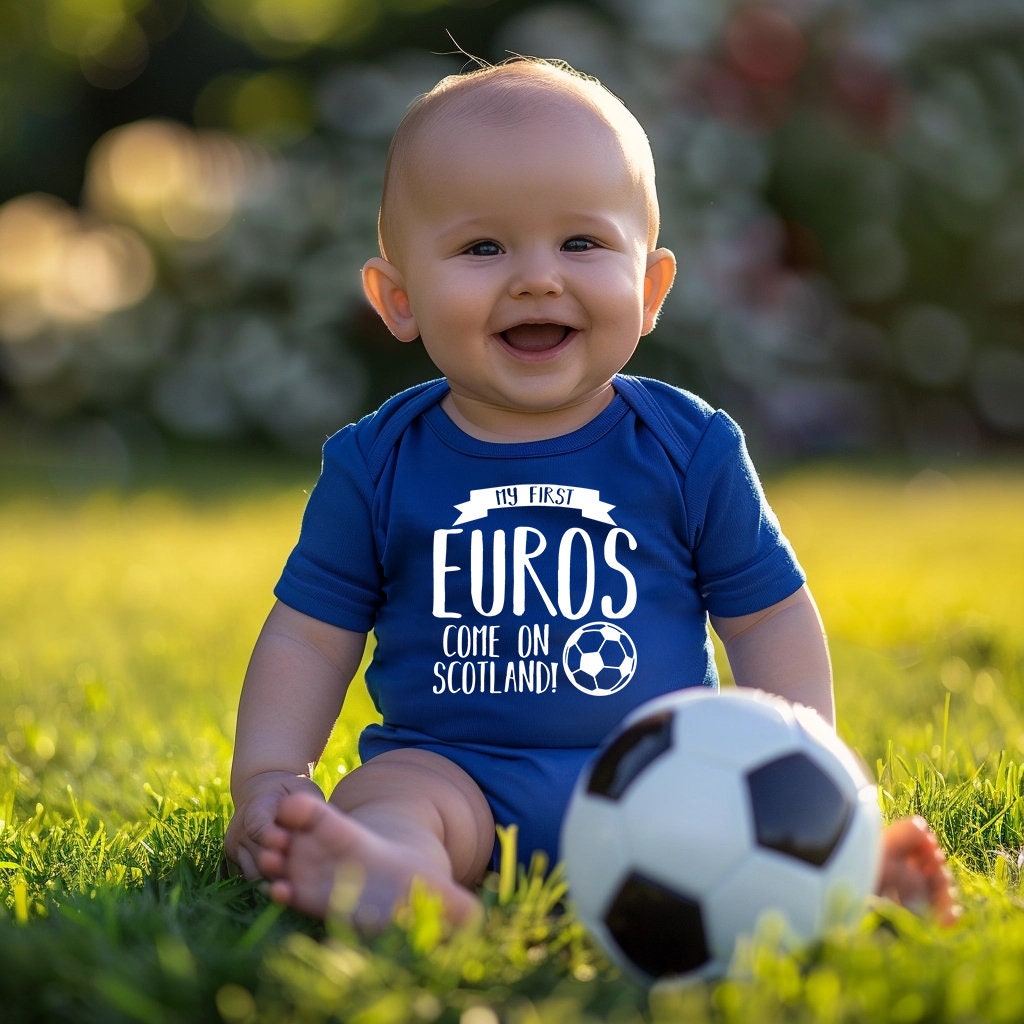
Ready to Engineer Your Brand’s Next "Little Legend" Collection?
Stop Sourcing "Parts." Start Engineering a Movement.
If you are a designer, founder, or procurement manager ready to see the side-by-side technical and cost advantages of our "Direct-to-Founder" manufacturing model, let’s collaborate.
· Access our "Infant Performance" Sample Kit: Experience our 100% Organic Interlock textures, nickel-free hardware, and soft-touch branding finishes before you commit.
· Get a Custom 3D Design Consultation: Send us your sketches or a reference photo, and our engineers will provide a 360-degree virtual rendering and a comprehensive "Landed Cost" comparison for your 100-unit custom run.
Would you like our technical team to provide a 3D Fit Rendering of your custom infant supporter design to show you how we can elevate your brand's presence for the 2026 season?
