

Embroidery Sample Approval Checklist for Clothing Brands
Mastering the Embroidery Strike-Off: A Technical UK Guide to Garment Decoration Approval
For UK fashion brands, custom streetwear labels, and sourcing directors, embroidery represents one of the most tactile and enduring forms of garment decoration. Whether applying a subtle tonal chest logo, heavy bullion crests on varsity jackets, or intricate multi-color back motifs, high-quality embroidery elevates perceived product value.
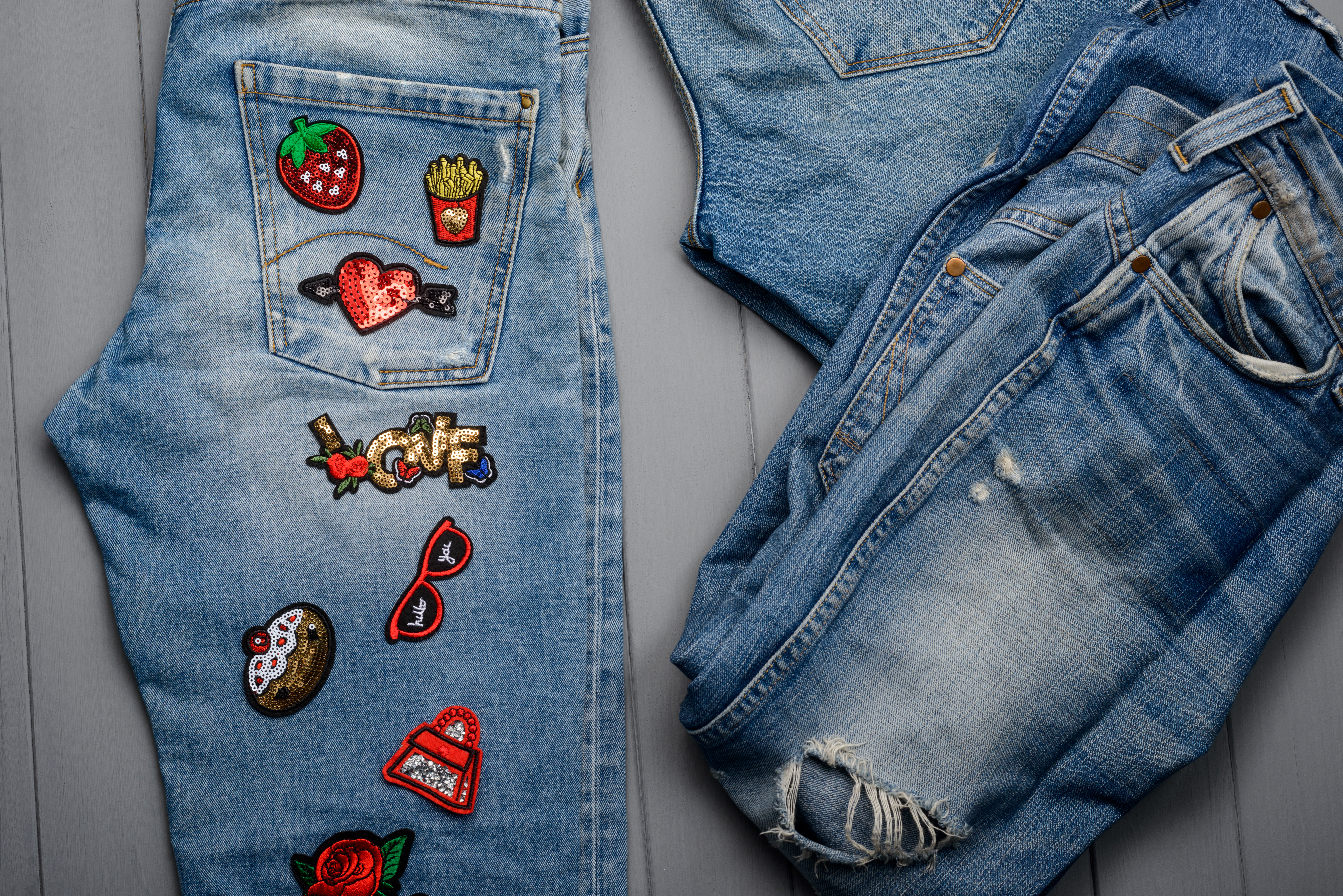
However, transitioning a digital vector file into a physical embroidered swatch is fraught with technical pitfalls. Issues like puckered base fabric, distorted lettering, visible bobbin thread, or uneven stitch density can ruin an entire production run. To bridge the gap between design artwork and mass manufacturing, UK quality managers rely on a structured Embroidery Sample Approval Checklist.
Understanding Digitizing: The Foundation of Embroidery Quality
Before evaluating a physical embroidery swatch (often referred to as an embroidery strike-off), brands must understand that machine embroidery is entirely governed by the digitizing process—the conversion of vector artwork into a machine-readable stitch file (such as DST or PES formats).
Poor embroidery is rarely a mechanical machine failure; it is usually the result of flawed digitizing parameters:
- Stitch Density Calibration: Setting stitch count too high leads to rigid, bulletproof embroidery that causes heavy fabric puckering. Setting density too low allows the background fabric to show through.
- Pull Compensation: As embroidery needles penetrate fabric, thread tension pulls the material inward along the stitch direction. Digitizers must offset this pull to ensure circles stay round and geometry remains crisp.
- Underlay Stitching: Proper underlay acts as a foundation layer, stabilizing the base fabric and raising the top satin or fill stitches for a crisp, three-dimensional finish.
The Essential UK Embroidery Approval Checklist
When auditing an embroidery sample prior to mass production, UK sourcing teams systematically evaluate six core technical dimensions:
1. Substrate and Stabilizer (Backing) Compatibility The sample must be stitched onto the actual bulk production fabric—including identical garment backings or interlinings. Knitted jersey requires soft, cut-away non-woven backing to prevent distortion, whereas heavy woven cottons or denim can utilize tear-away backings. The backing should not feel excessively stiff or show through sheer fabrics.
2. Surface Tension and Fabric Puckering Lay the embroidered swatch flat on an un-tensioned inspection table. Inspect the surrounding fabric for ripples, waviness, or gathers. Severe puckering indicates excessive thread tension, inadequate underlay, or improper hooping tension.

3. Alignment, Placement, and Geometric Accuracy Using a steel ruler, cross-reference the physical motif against the approved tech pack. Check that horizontal lines remain perfectly parallel to grainlines, circles remain symmetrical without oval distortion, and small typography (under 5 mm in height) remains sharp and readable.
4. Thread Color Matching and Shine Evaluate thread colors inside a standardized light booth under D65 artificial daylight and store lighting (CWF/LED) against specified Pantone (PMS) or Madeira/Isacord thread charts. Verify whether rayon thread (high sheen, softer hand) or polyester thread (high tensile strength, chlorine-resistant) was correctly utilized based on your garment care specifications.
5. Cleanliness, Trimming, and Edge Definition Inspect the face and reverse side of the embroidery. The face should be completely free of "bird’s nests" (tangled thread bunches), loose jump stitches, or uncut connecting threads. On the reverse side, the bottom bobbin thread should occupy roughly the middle one-third of satin stitches, with no white bobbin thread pulling through to the front.
6. Wash and Abrasion Fastness Pre-Testing Before signing off, subject the sample panel to a standard UK home laundry test (40°C wash cycle) followed by a steam press. Verify that the embroidery thread does not bleed onto the base fabric, shrink, or distort after drying.
Integrating Embroidery Sign-Offs into UK Sourcing Workflows
Establishing rigorous decoration approval standards requires close collaboration with technical manufacturing partners who prioritize standardized quality control.
Working alongside experienced apparel producers like Innblac gives UK brands direct access to precision thread matching, expert digitizing reviews, and transparent pre-production sample audits. Ensuring embroidery swatches pass a rigorous technical checklist before mass production eliminates costly factory rework, protects brand reputation, and guarantees premium garment decoration across every retail collection.
-
Posted in
Sampling & Pre-Production
